 By Zack Devin
Trade shows are more than corporate gatherings; they are stages where brands compete for attention, build relationships, and leave lasting impressions. The right booth design can draw visitors in, highlight a company’s personality, and create opportunities that extend far beyond the event floor. For many businesses, trade show rentals provide the perfect balance between flexibility and impact. They allow companies to create a striking presence without the long-term commitment of ownership.
Transforming Spaces: The Art of Effective Booth Design
Creative Concepts that Capture Attention
With rows of booths competing for the same audience, creativity is what helps a brand stand apart. A booth that sparks curiosity and invites interaction often lingers in a visitor’s memory long after the event ends. To achieve this, businesses should embrace bold thinking and collaborate with designers, marketers, and even voices outside their industry. Sometimes unconventional ideas, such as using reclaimed materials, eco-friendly fabrics, or immersive digital screens, result in the most memorable displays.
Storytelling is another powerful tool. A booth that weaves a narrative allows guests to connect emotionally with the brand. Interactive stations, product demos, or virtual reality experiences can bring the story to life, encouraging exploration rather than passive observation. By creating an environment where people want to linger, brands increase the chance of meaningful conversations and stronger connections.
Technology as a Magnet for Engagement
Today’s audiences expect more than static displays. Incorporating technology can make a booth dynamic and interactive. Virtual reality tours, for example, allow potential customers to experience products in context. Imagine a furniture company letting visitors design a virtual living room in real time.
Gamification is another effective strategy. Whether it’s a quiz, a prize wheel, or a digital challenge tied to your products, playful elements create energy and encourage participation. Even simple tools like QR codes can connect visitors directly to detailed product information, while also giving companies valuable data on booth activity for later follow-up.
Design Trends to Watch
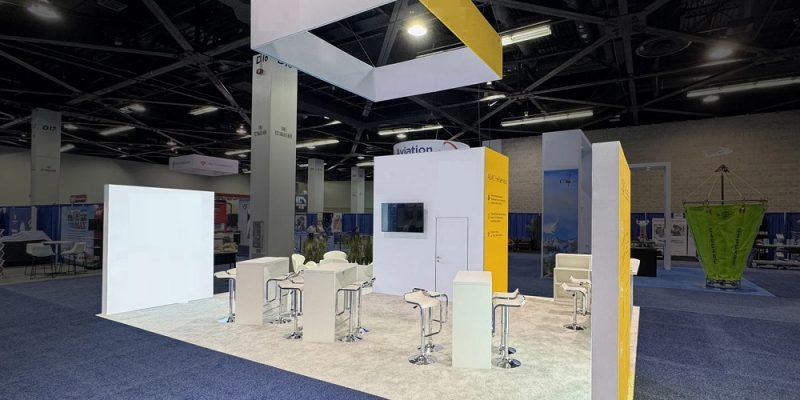
Design trends in trade shows are shifting toward simplicity, sustainability, and natural elements. Clean, minimalist layouts with ample white space help products and messages stand out without overwhelming the viewer. At the same time, eco-conscious choices such as recycled materials and biodegradable displays resonate with audiences who value corporate responsibility.
Color is also making a strong return. Bright hues, when used strategically, energize a booth and create visual contrast on the exhibition floor. Many designers are also embracing biophilic design by integrating plants, living walls, or natural textures. Combined with smart lighting that adjusts to highlight specific products or change hues in response to audience interaction, these features create spaces that feel both modern and inviting.
Rental vs. Purchase: Deciding What Works Best
Weighing the Financials
Owning a booth can make sense for businesses that exhibit frequently, but the upfront cost, storage, and ongoing upkeep can be considerable. For companies that participate in fewer shows or vary their approach from one event to the next, renting often provides greater value. Rental agreements frequently include delivery, setup, and teardown, reducing logistical challenges and hidden costs.
Flexibility and Adaptability
Each trade show attracts a different audience, and the ability to adapt booth design accordingly is a major advantage. Renting allows businesses to adjust their look and feel from one event to the next without being locked into a single display. A tech startup may want a sleek, high-tech booth at one show and a warmer, more approachable look at another. Rentals make it possible to align with both audiences without long-term compromises.
Avoiding Storage Challenges
Purchasing booth materials also means finding ways to store them safely. Companies often face fees for external storage or risk damage when keeping materials in-house. Rentals eliminate these concerns entirely, as everything is returned once the event ends. Many rental providers also offer bundled services that cover setup, breakdown, and transportation, freeing companies to focus on engaging visitors rather than worrying about logistics.
Making the Most of Your Trade Show Presence
Driving Traffic and Engagement
Once your booth is ready, the real challenge is drawing people in. Free samples, demonstrations, or small giveaways encourage participation and create memorable touchpoints. Live presentations or product experts on-site can further build interest, showcasing offerings in action and answering questions immediately.
Visual branding also plays a crucial role. High-quality signage, bold graphics, and creative displays, such as floor graphics or striking banners, help guide attendees directly to your booth. Combine these visuals with enthusiastic, well-trained staff who can connect with visitors, and you’ll create an inviting space that feels approachable and exciting.
Building Relationships that Last
Trade shows are about more than immediate sales; they are networking opportunities. Beyond potential customers, connecting with industry peers, media contacts, and thought leaders can open doors to collaborations, insights, and future projects. Organizing informal gatherings, such as small dinners or coffee meetups, can strengthen these connections in a more relaxed environment.
Maintaining an active digital presence during the show also extends your reach. Use social media to share updates, behind-the-scenes content, or live coverage. A unique event hashtag can encourage attendees to tag your booth, multiplying visibility and engagement.
Turning Leads into Customers
The event does not end when the exhibition hall closes. Prompt follow-up is crucial to converting contacts into lasting customers. Personalized emails that reference specific conversations or booth experiences show attentiveness and increase the likelihood of continued engagement.
Collecting feedback from booth visitors can also provide valuable insights into what worked and what needs improvement. Offering exclusive post-event promotions or content keeps your brand top of mind, strengthening the connection made during the show.
Preparing for Success
Logistics Done Right
Efficient setup and breakdown can determine whether the trade show experience feels smooth or stressful. Create a detailed plan that covers timelines, team responsibilities, and venue requirements. A practice run of the setup beforehand can prevent costly surprises on the event floor. At the end of the show, packing and labeling materials carefully ensures nothing is lost or damaged, and makes future participation easier.
Pre-Show Marketing
Driving traffic to your booth begins long before the event. Email campaigns, social media teasers, and collaborations with industry partners can all build anticipation. Highlight new products, special demonstrations, or exclusive offers to give attendees a reason to seek out your booth. Pre-show visibility increases the chances of drawing steady traffic once the doors open.
Measuring ROI
After the event, evaluate your participation by reviewing clear metrics such as leads generated, social media engagement, and brand visibility. Survey responses and team debriefs provide useful feedback to refine your strategy. Tracking how many leads eventually convert into sales helps determine whether the event delivered strong value. Over time, these insights can guide smarter decisions about which trade shows to attend and how to maximize returns.
Final Thoughts
Trade shows provide an unmatched opportunity to showcase a brand, build connections, and generate new business. The right booth design is central to this success, and trade show rentals offer a practical and flexible way to create an impactful presence without long-term constraints. By combining thoughtful design, strategic engagement, and careful planning, businesses can stand out on the exhibition floor and carry the momentum long after the event ends.