 By Zack Devin
The healthcare industry has witnessed remarkable technological advancements over the past few decades, and medical equipment software has played a pivotal role in transforming the delivery of care. From improving diagnostics to streamlining hospital operations, innovations in medical equipment software are shaping modern medicine in ways that enhance patient outcomes, operational efficiency, and clinical decision-making. Hospitals, clinics, and research institutions are increasingly relying on sophisticated software to manage complex medical devices, integrate patient data, and provide actionable insights.
Enhancing Diagnostics and Patient Monitoring
One of the most significant areas where medical equipment software has made an impact is in diagnostics and patient monitoring. Modern diagnostic tools, including MRI machines, CT scanners, and ultrasound devices, rely on advanced software to process imaging data quickly and accurately. These software systems utilize algorithms that can detect anomalies, highlight areas of concern, and generate detailed reports for physicians. This integration allows healthcare professionals to make informed decisions faster, reducing the time between diagnosis and treatment.
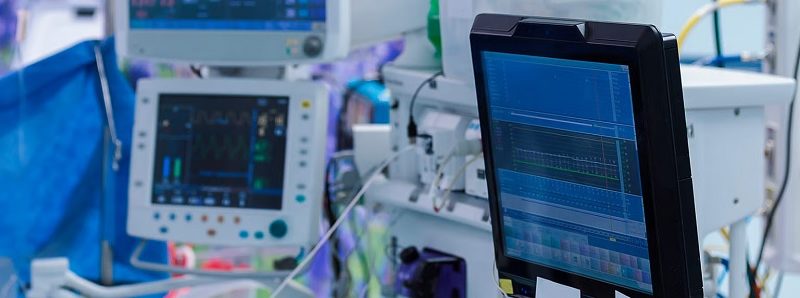
Patient monitoring systems have also benefited from innovations in medical equipment software. Devices such as cardiac monitors, wearable sensors, and infusion pumps are equipped with software that tracks vital signs in real-time and alerts healthcare providers to changes that require immediate attention. For critically ill patients, these software-enabled monitoring systems can be life-saving, ensuring that interventions are timely and precise. The ability to continuously monitor patients, both in hospital settings and remotely, exemplifies how medical equipment software enhances clinical effectiveness.
Streamlining Hospital Operations
Beyond direct patient care, medical equipment software plays a crucial role in optimizing hospital operations. Hospitals are complex ecosystems where the coordination of personnel, equipment, and resources is essential for efficient functioning. Modern software solutions integrate various medical devices into a centralized system, allowing administrators to monitor equipment usage, schedule maintenance, and track inventory. This reduces downtime, prevents equipment failures, and ensures that medical devices are available when needed.
Software solutions also support workflow management, helping hospitals allocate staff effectively, manage patient flow, and streamline administrative tasks. By automating routine processes and providing real-time insights, medical equipment software frees healthcare professionals to focus on patient care rather than logistical challenges. For hospitals and clinics seeking to improve operational efficiency, these innovations are indispensable, as they reduce costs while enhancing the quality of services provided.
Integrating with Electronic Health Records
Another transformative innovation in medical equipment software is its ability to integrate seamlessly with electronic health records (EHRs). EHR integration ensures that data collected from medical devices is automatically recorded in the patient’s digital file, creating a comprehensive and accessible health record. This eliminates the need for manual data entry, reduces errors, and enables healthcare providers to access critical information quickly.
Integration with EHRs also facilitates data analysis and research. Medical professionals can track patient outcomes, monitor trends, and assess the effectiveness of treatments over time. For patients with chronic conditions, software-enabled devices that synchronize with EHRs allow for better long-term management and proactive interventions. By creating a unified ecosystem where devices, software, and records communicate seamlessly, medical equipment software enhances both the quality of care and the efficiency of healthcare delivery.
Advancements in Artificial Intelligence and Predictive Analytics
Artificial intelligence (AI) and predictive analytics represent some of the most exciting innovations in medical equipment software. AI algorithms can analyze large datasets from imaging studies, laboratory results, and wearable devices to identify patterns that may not be immediately apparent to human clinicians. This capability enhances diagnostic accuracy, supports personalized treatment plans, and aids in predicting potential complications.
Predictive analytics, powered by software, enables healthcare providers to anticipate patient needs, optimize resource allocation, and improve preventive care. For example, predictive models can forecast patient admissions, identify those at risk of developing certain conditions, or suggest tailored interventions. These technologies, integrated into medical equipment software, allow healthcare systems to move from reactive to proactive care, improving outcomes and reducing costs.
AI-driven software also supports automation in medical imaging, lab analysis, and robotic-assisted procedures. By leveraging intelligent algorithms, healthcare providers can perform tasks with greater precision and efficiency. Innovations in this area demonstrate how medical equipment software is not merely a tool for data collection but a dynamic system that enhances clinical capabilities and empowers healthcare professionals to deliver better care.
Ensuring Compliance, Safety, and Security
In addition to improving diagnostics and efficiency, medical equipment software is critical for ensuring compliance, safety, and data security. Healthcare institutions operate in a highly regulated environment, where adherence to standards and protocols is essential. Modern software includes features that support compliance with guidelines established by agencies such as the FDA, HIPAA, and ISO. These features ensure that devices operate safely, record accurate data, and maintain patient confidentiality.
Software also plays a vital role in cybersecurity, protecting sensitive patient information from unauthorized access. Encryption, secure authentication, and audit trails are commonly integrated into medical equipment software to safeguard data. In an era where cyber threats pose significant risks to healthcare systems, these protective measures are essential for maintaining trust and ensuring the continuity of care.
Moreover, medical equipment software often incorporates self-diagnostic and error-reporting capabilities. These features allow devices to identify malfunctions, perform automatic adjustments, or alert technicians when maintenance is required. By proactively managing safety and functionality, software ensures that medical equipment performs reliably, reducing risks to patients and staff.
Future Directions and Emerging Technologies
The future of medical equipment software promises even greater innovation and impact on modern medicine. Emerging technologies such as cloud computing, telemedicine integration, and advanced machine learning algorithms are expanding the capabilities of medical devices and their associated software. Cloud-based solutions enable secure data sharing across institutions, supporting collaborative care, research, and remote consultations.
Telemedicine integration allows software-enabled devices to transmit real-time data from patients’ homes to healthcare providers, facilitating remote monitoring and virtual consultations. This capability is particularly valuable for patients with chronic illnesses, those living in rural areas, or individuals requiring ongoing post-operative care. By combining connectivity, data analytics, and remote access, medical equipment software is redefining how healthcare is delivered.
In addition, ongoing developments in wearable technology, robotic-assisted surgery, and smart diagnostics continue to push the boundaries of what medical equipment software can achieve. These innovations promise more personalized, efficient, and precise healthcare, ultimately improving patient outcomes and advancing the overall quality of medical services.
In summary, innovations in medical equipment software are fundamentally shaping modern medicine by enhancing diagnostics, improving patient monitoring, streamlining operations, integrating with EHRs, and supporting AI-driven predictive analytics. These software solutions ensure compliance, safety, and security while enabling healthcare providers to deliver more efficient and effective care. As technology continues to evolve, medical equipment software will remain a critical component of healthcare systems, transforming how clinicians diagnose, treat, and manage patients while driving progress in the medical field.