 By Zack Devin
As electric vehicles (EVs) gain traction in India, the question arises: How does electric vehicle insurance differ from conventional vehicle insurance? If you are planning to buy an EV, understanding the insurance requirements is vital. While both types of vehicles need motor insurance, the risks, premiums and claim processes vary.
This blog helps you compare EV and fuel-based vehicle insurance so you can make a more informed decision.
Understanding the Basics of Motor Insurance
Motor insurance is a policy that safeguards you from financial losses if your vehicle is damaged, stolen or involved in an accident.
It is mandatory by law in India for all vehicles to have at least third-party insurance, as per the Motor Vehicles Act, 1988.
Here are two types of insurance coverage:
- Own damage cover: Financially protects against loss or damage to your vehicle due to accidents, fire, theft, natural calamities, etc.
- Third-party cover: Covers liabilities if your vehicle causes injury, death or property damage to another person.
Whether you are driving a petrol car or an electric vehicle, you need insurance. However, EV insurance works a little differently.
What are Electric Vehicles
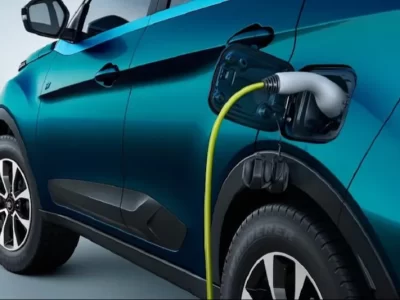
EVs run solely on electricity and are powered by rechargeable batteries. They do not have an internal combustion engine, which means zero emissions and a quieter driving experience.
Features of EVs
- Zero emissions: EVs are completely eco-friendly as they do not burn fossil fuels.
- Lower running costs: Electricity is cheaper than petrol/diesel, and EVs have fewer moving parts, reducing maintenance expenses.
- Government incentives: Many governments offer tax benefits and subsidies on EV purchases.
- Smooth and silent drive: EVs offer instant torque and a quieter ride compared to traditional cars.
- Limited Range: Despite improvements, EVs have a limited range compared to petrol cars.
- Charging infrastructure: Charging stations are still not as widespread as petrol/diesel pumps, making long trips challenging.
- Battery replacement cost: Over time, EV batteries degrade and replacing them can be expensive.
Key Differences Between EV and Conventional Vehicle Insurance
Let’s break down the differences between the two:
- Premium Costs
EVs usually have a higher upfront cost, but insurance premiums aren’t always higher. Premiums are determined by factors such as vehicle value, battery cost, and repair expenses.
- EV insurance: Can be cheaper in some cases due to government subsidies and lower long-term running costs.
- Conventional vehicle insurance: Premiums are relatively stable but may increase due to changes in pollution norms and fuel consumption.
- Battery coverage
For EVs, the battery is the most expensive component.
- EV insurance may offer battery protection as an add-on, which can influence the premium.
- No such battery-specific add-ons are required in conventional vehicles.
- Availability of Cashless Garages
- EV insurance: Many insurers are expanding their EV-friendly service networks, but this is still in its initial stage.
- Conventional vehicle insurance: Extensive garage networks available nationwide.
- Policy Customisation
- EV policies are often bundled with add-ons, such as charger damage, battery wear and tear, and roadside assistance.
- Conventional insurance offers add-ons such as engine protection, zero depreciation, and key replacement.
- Environmental Impact and Green Discounts
Some insurers offer discounts on premiums for eco-friendly vehicles, recognising their lower carbon footprint.
Why You Need a Good Insurance Policy No Matter the Vehicle
Regardless of the vehicle you drive, insurance is non-negotiable. It protects you from:
- Huge out-of-pocket repair costs after accidents
- Liability claims
- Theft or natural disasters involving your vehicle.
You also get peace of mind knowing that a support network is just a call away.
How to Choose the Right Insurance Policy
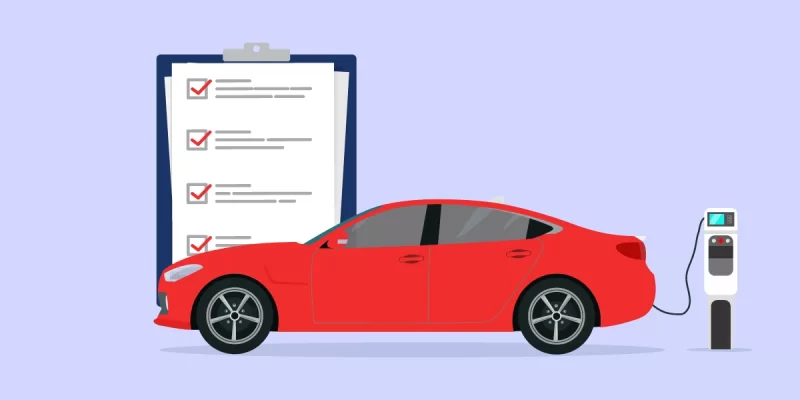
Here are a few things to consider when buying a policy:
- Evaluate IDV (Insured Declared Value)
- Compare add-ons specific to your vehicle type
- Check the network garages
- Look at claim settlement ratios
Use a car insurance app to compare policies, access cashless garages, renew online and track claim status easily.
Conclusion
The insurance world is evolving just like the vehicles we drive. As EVs will dominate the roads in future, insurance policies are adapting too. While EV insurance differs from that of conventional insurance, it is not necessarily more expensive or riskier.
Remember to use a reliable two-wheeler insurance app to compare plans and manage your policy effortlessly.