 By Zack Devin
Every day, families throw away food that spoiled too soon — berries that turned soft overnight, vegetables forgotten in the crisper, leftovers that didn’t hold up. It may feel like a routine annoyance, but the consequences of food waste run much deeper. Spoiled food impacts your household budget, your health, and even the environment. One of the most effective ways to tackle the issue starts with something surprisingly simple: smarter packaging.
For anyone looking to make healthier, eco-friendly choices at home, understanding why food spoils — and how packaging can extend its life — is essential.
The Bigger Cost Behind Food Going Bad
Wasted food drains more than your patience — it drains your finances. Globally, food thrown away adds up to over $1 trillion annually. Inside the home, this often translates into money spent on groceries that never get eaten.
The environmental cost is just as significant. From the water used to grow crops to the energy used for transportation, every item that spoils represents wasted resources. About a third of the world’s freshwater is used to produce food that ultimately ends up in landfills. Once there, it creates methane, a powerful greenhouse gas that accelerates climate change.
Reducing waste at home is one of the simplest and most impactful steps toward sustainable living.
Why Food Spoils Faster Than Expected
Two common contributors drive most spoilage: contamination and moisture.
Contamination can happen easily if foods are stored improperly. Raw meats placed near produce, unwashed hands, or containers that don’t seal tightly can quickly introduce harmful bacteria. Even small mistakes accelerate decay.
Moisture plays an equally important role. Humid refrigerator environments combined with weak or poorly sealed packaging create ideal conditions for mold and bacteria to multiply. Without proper airflow or moisture-resistant packaging, spoilage happens much more quickly.
How Better Packaging Helps Food Last Longer
Advancements in packaging materials have made it easier than ever to keep food fresh. Modern solutions — including durable, moisture-resistant polypropylene corrugated packaging made by companies like SeaCa — help protect fruits, vegetables, and perishables by improving ventilation and reducing exposure to humidity.
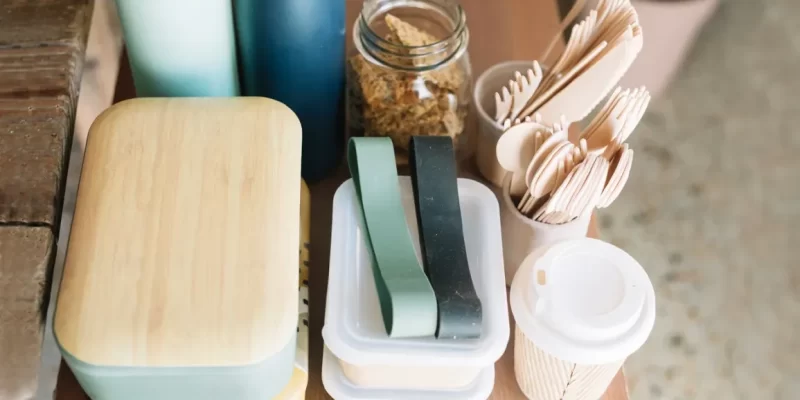
Choosing higher-quality packaging at the store or at home can meaningfully extend shelf life. Reusable and recyclable containers also reduce the need for single-use plastics while supporting your sustainability goals.
Spoilage Isn’t Just Waste — It Can Be a Health Hazard
Spoiled food isn’t harmless. Once food breaks down, it provides the perfect environment for harmful bacteria that cause foodborne illnesses. These illnesses cost billions in healthcare expenses each year and pose the greatest threat to children, seniors, and individuals with weakened immune systems.
Effective packaging adds an extra layer of safety, helping protect your family from hidden contaminants.
Small Steps to Reduce Spoilage at Home
Simple habits can significantly cut back on waste:
- Choose produce packaged in breathable, protective materials
• Store food in high-quality, airtight, moisture-resistant containers
• Use fridge liners or humidity-controlled storage bags
• Keep hands, tools, and surfaces clean to prevent cross-contamination
• Avoid overbuying and store food in smaller, easy-to-use portions
A More Sustainable Kitchen Starts With Thoughtful Packaging Choices
Reducing waste doesn’t require major changes to your daily routine. Small decisions — like choosing better packaging and improving how you store food — can have a big impact on your health, your budget, and the environment.
Every smart packaging choice helps shrink your environmental footprint while keeping your food fresher and safer. By taking a more intentional approach, you can create a kitchen that works better for your family and for the planet — one well-stored meal at a time.